
THE PELOPONNESE
Arguably the best value and most fascinating region of Greece, The Peloponnese region on the Mainland is a must see destination for everyone.
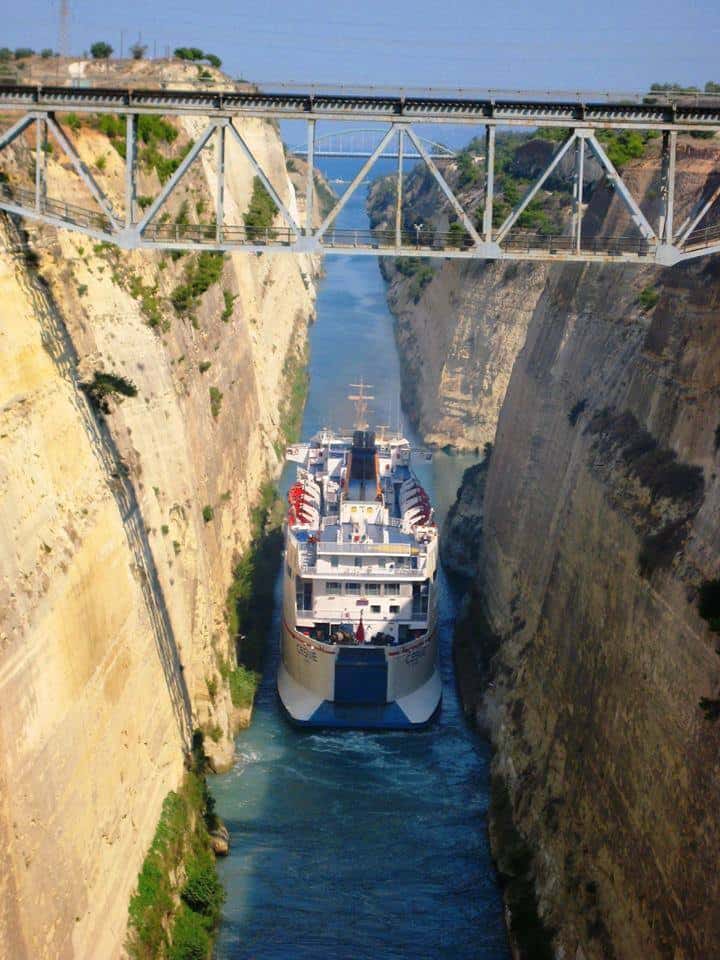
Covering an area of more than 21,000 square kilometres the peninsula is located West of Athens and starts at the Corinth Canal, just one hour drive from the capital.
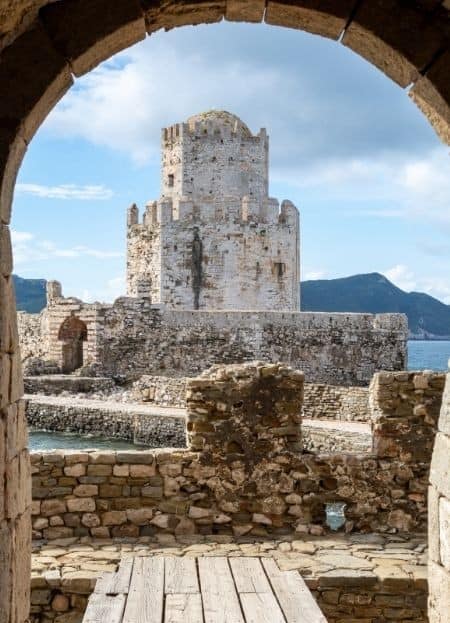
The Peloponnese has a rich and colourful history and is featured heavily in Greek Mythology. This is where the Mycenaean civilization thrived for centuries during the Bronze Age, where King Agamemnon led his army to Troy, where the Spartans marched to war against the Ottomans, where Hercules did his 7 labours and where the Greeks battled the Amazons.
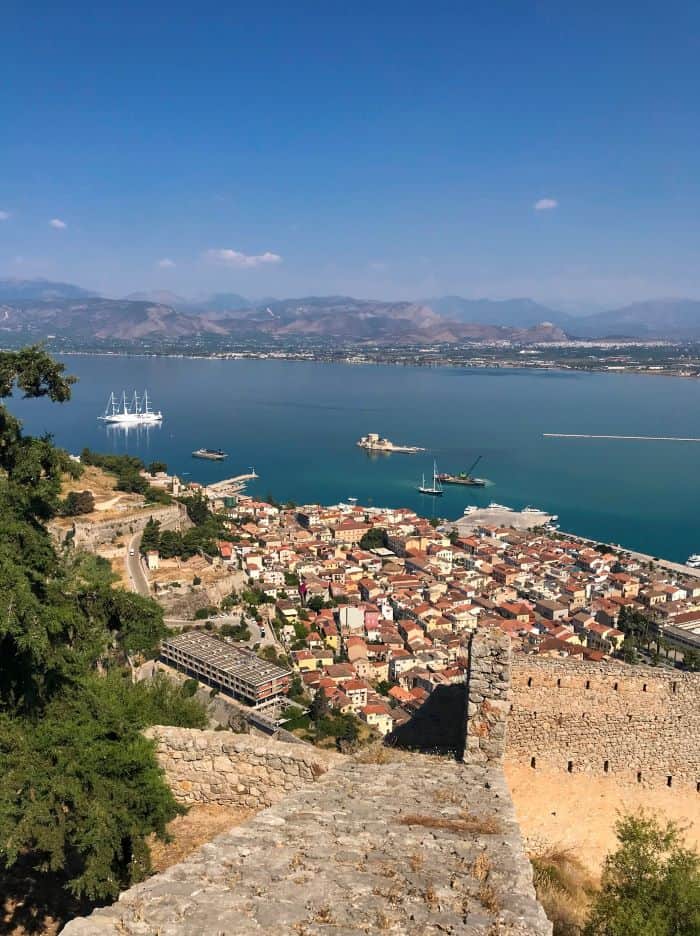
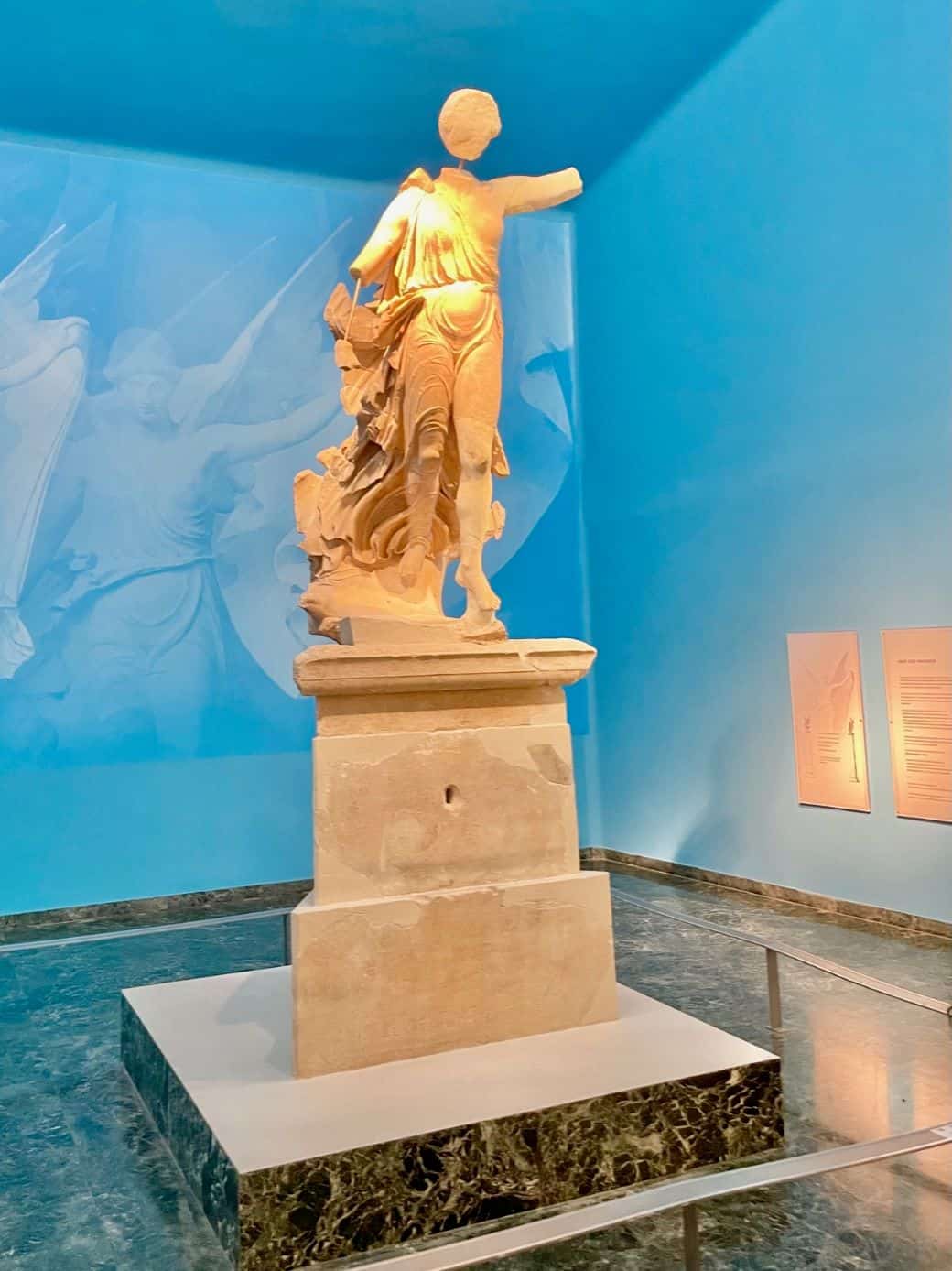
It is also where the first Olympics where held, at Olympia, where the Greek War of Independence started and is where the first capital of Modern Greece is located ( Nafplio).
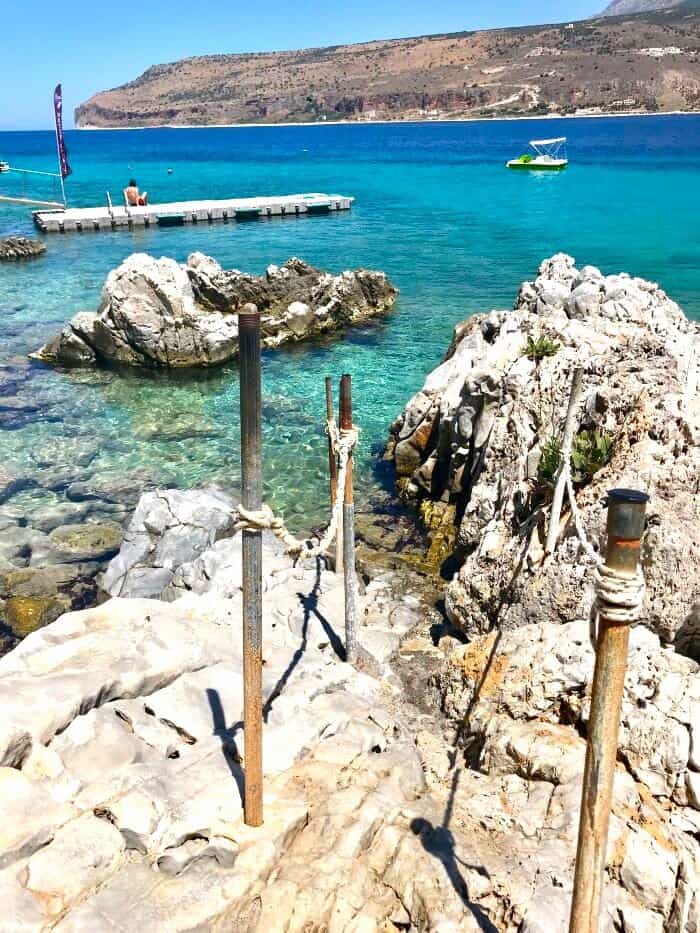
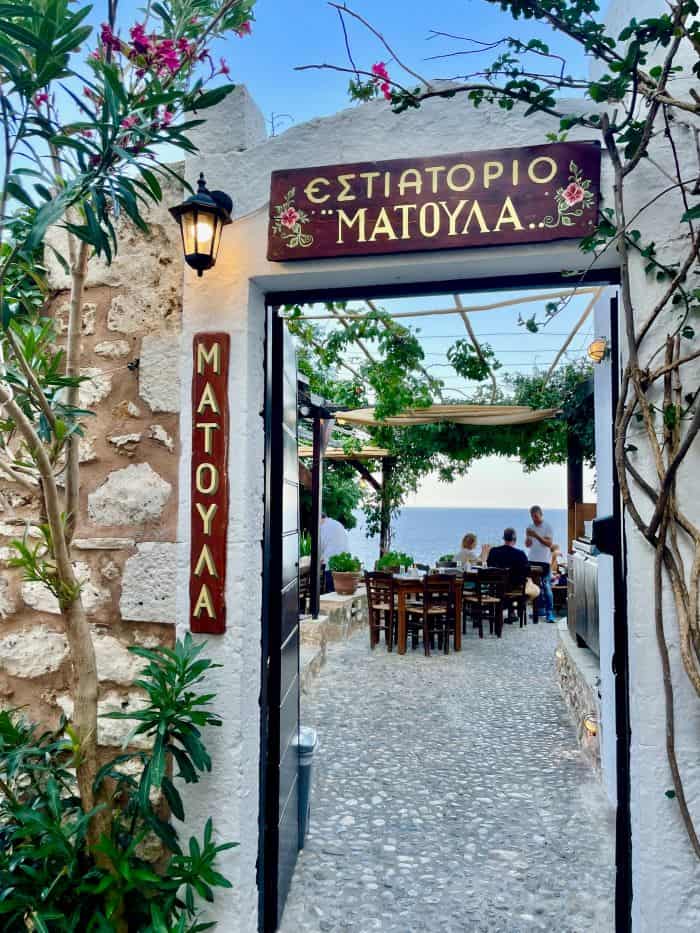
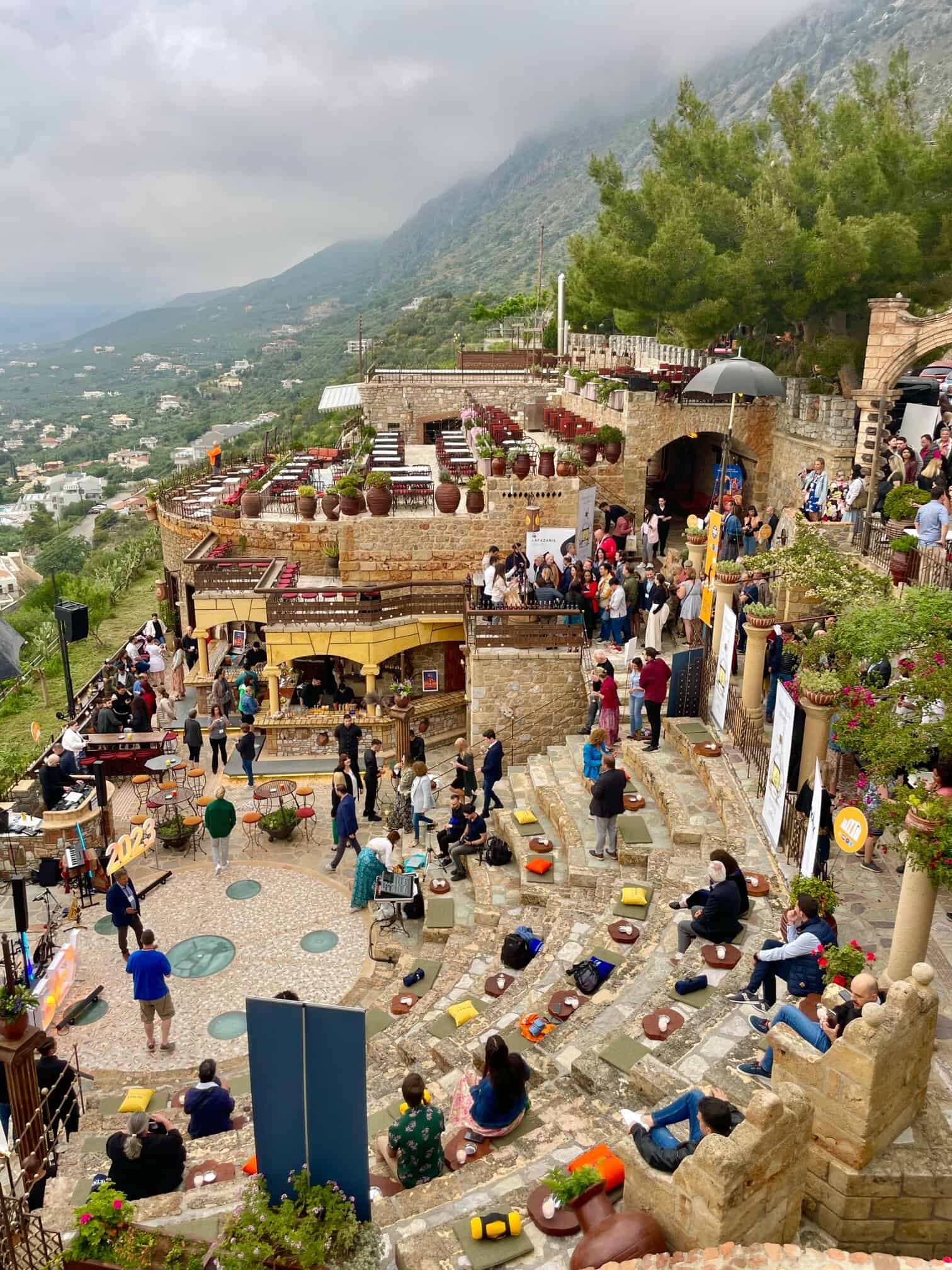
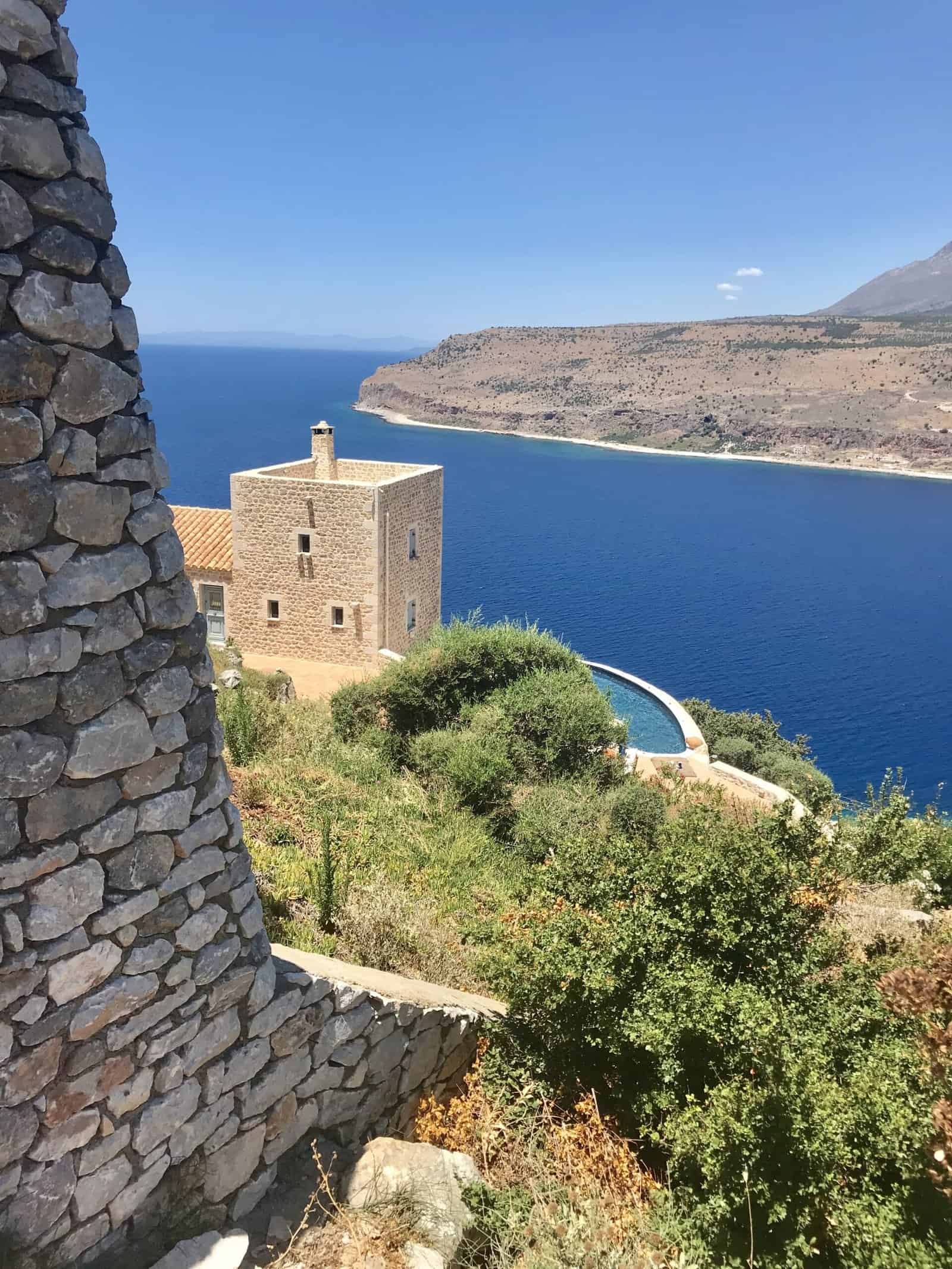
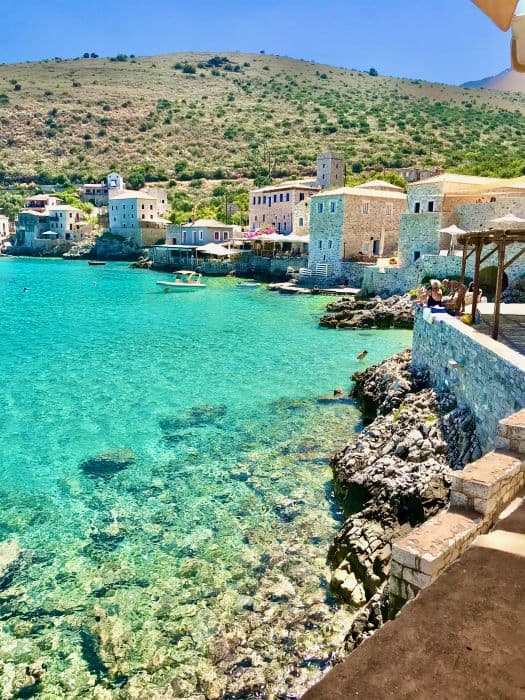
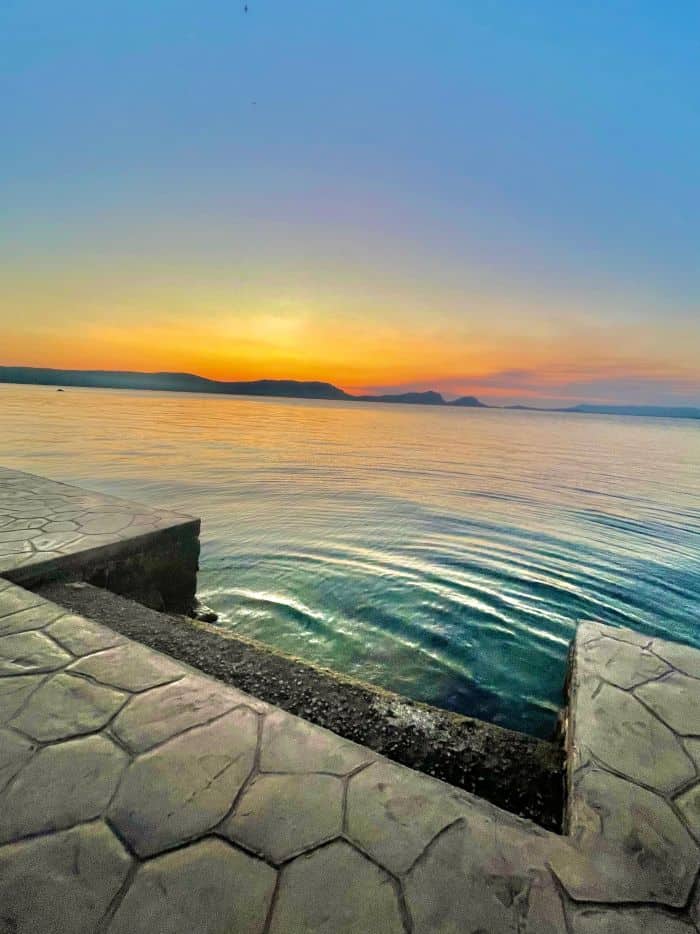
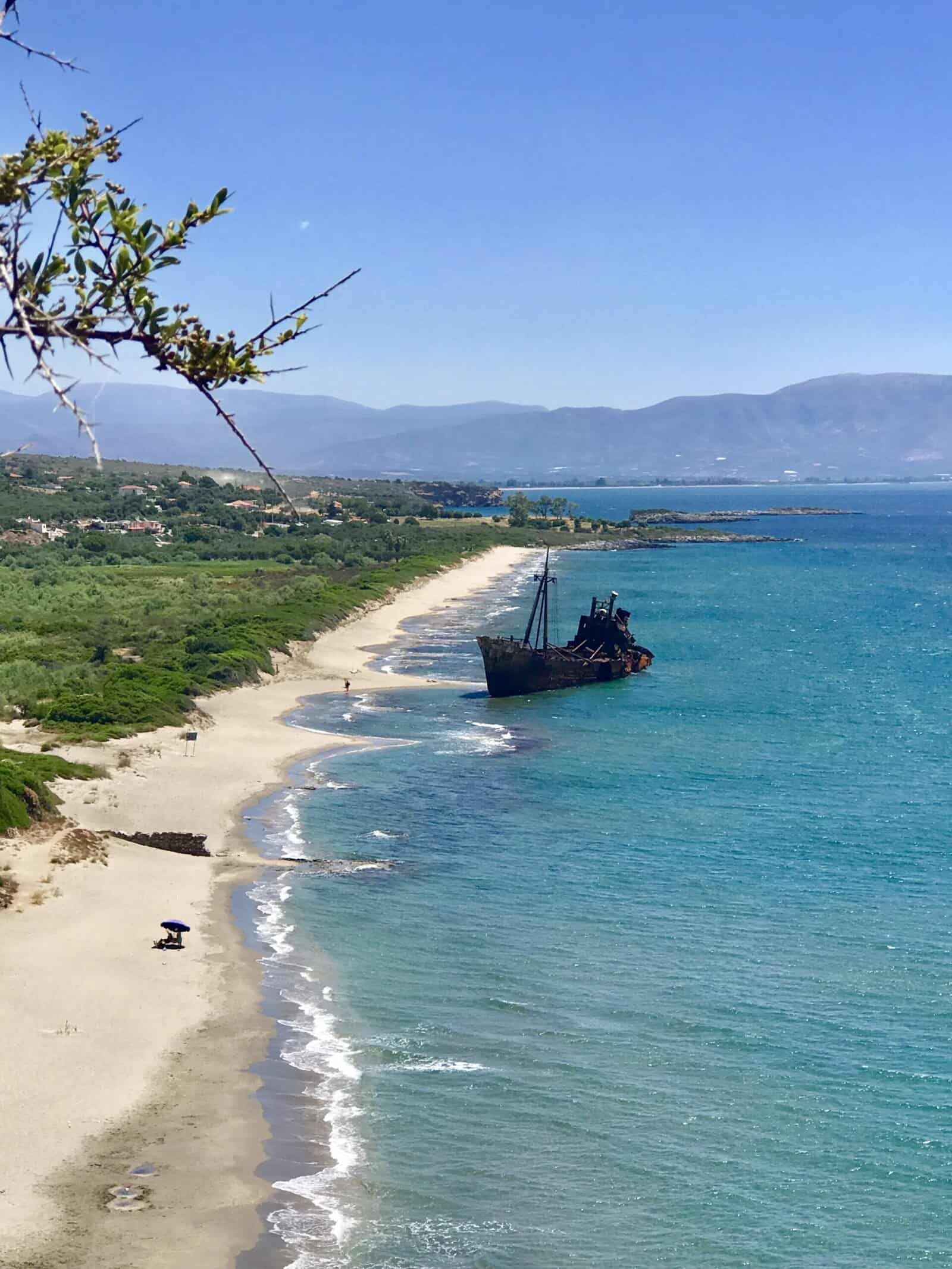
Not only is the entire peninsula covered in ancient sites and wonders it also has a thriving agriculture with olives and citrus fruit in abundance. The Nemea wine region is one of Greece’s best and the Mani Peninsula is home to fascinating caves, beautiful beaches and unique architecture.
Year Round
minimum 3 days
Mainland


What to expect
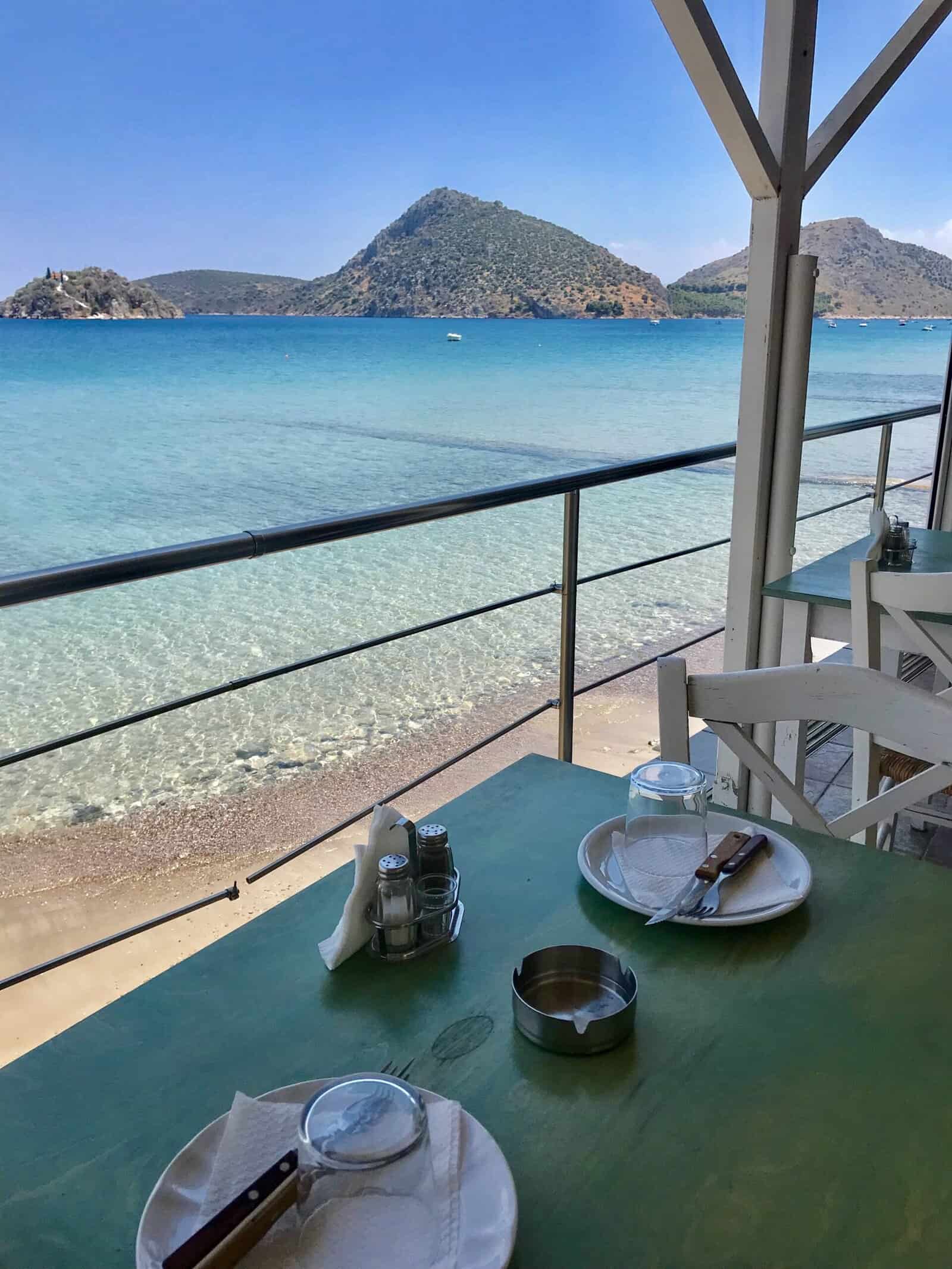
The Peloponnese offers a diverse and sophisticated mainland experience with historic depth, natural beauty and excellent infrastructure. Visitors can expect well preserved archaeological sites, elegant towns, mountain landscapes, extensive coastlines and high quality regional cuisine. Distances are significant, so travelling by car is the most practical option. The region delivers strong value for money compared to the islands and maintains a calm, authentic atmosphere even in peak periods. Ideal for travellers seeking culture, scenery, and a more grounded experience of Greece.
Language: Greek, but most people in tourist areas speak English ( and more)
Currency: Euro
Credit Cards and ATMs: You can find ATMs all over Greece. Every major town and city has them, even in mini marts, travel agencies and some hotel lobbies. Visa and Mastercard are widely accepted, and in fact, it is illegal for taxis, hotels and any business working in tourism not to accept them.
Plugs: The plugs in Greece are Type C and F. The standard voltage is 230 V, and the standard frequency is 50Hz. For many people, appliances and devices will work fine, but if you are from the USA, you will need a dual-voltage styling iron or hair dryer.















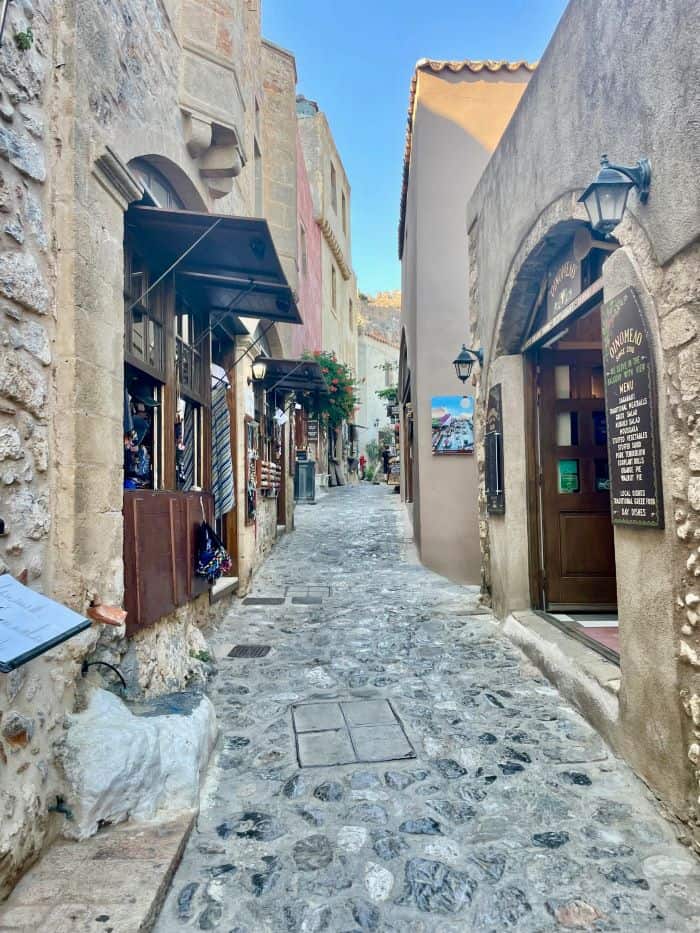

Best time to visit the Peloponnese
Late spring and early autumn are the standouts: May, June, September and October. The weather is warm, the sea is comfortable, the sites are pleasant to explore, and driving is stress-free.
July and August are hot but manageable because the region is far less crowded than the islands. Winter is mild on the coast, but mountain areas can get very cold.

How long to go for
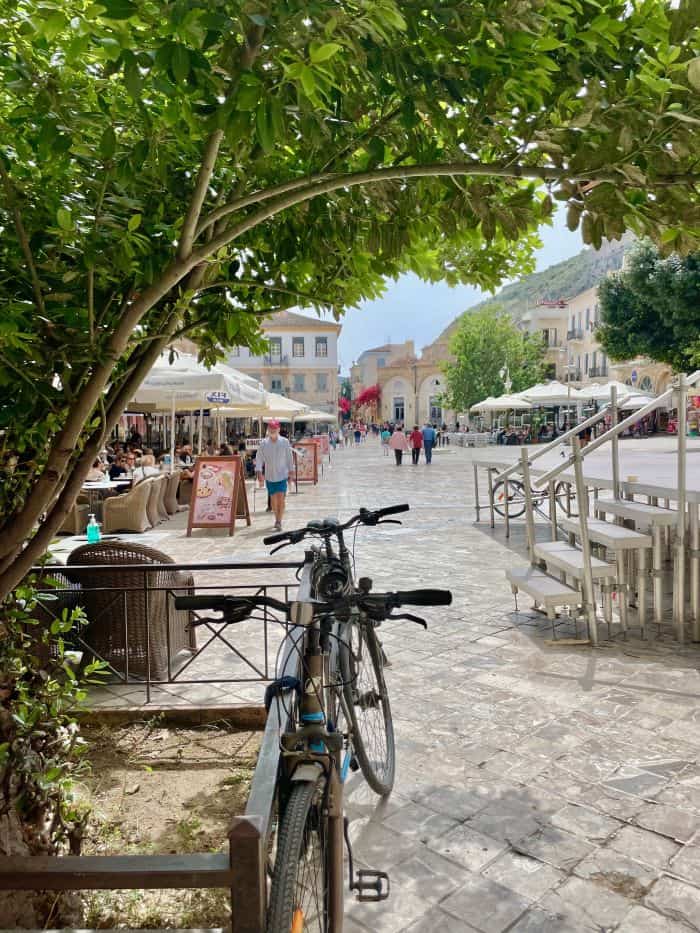
3 nights minimum in Nafplio, but up to several weeks for the whole peninsula.

How to get around Athens
The Peloponnese is large, decentralised and built and is one of the best road trip destinations in Europe. Buses connect major towns, but they can be far from popular sites.
Which part of the Peloponnese should I base myself in?
Nafplio for elegance and easy access to major sites, Kalamata for beaches and facilities, and the Mani for dramatic scenery.
Do I need a car?
Yes. Distances are long and public transport is limited for sightseeing.
How many days do I need?
A minimum of 3 days to see Nafplio and its surroundings. Then, at least a week to add other highlights and two to really do it justice.
What are the must see archaeological sites on the Peloponnese?
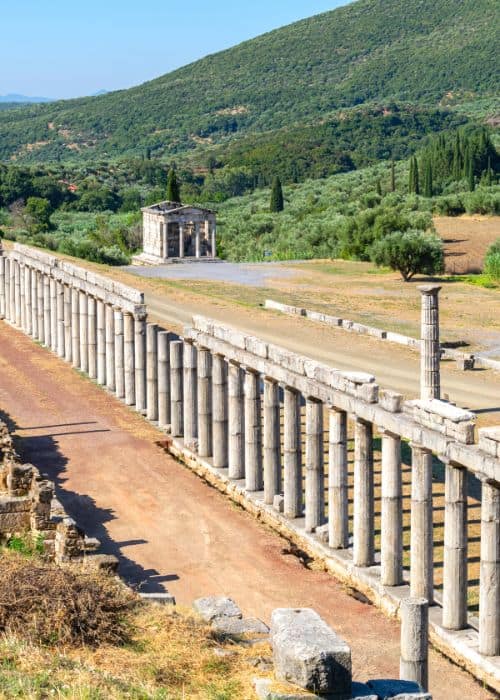
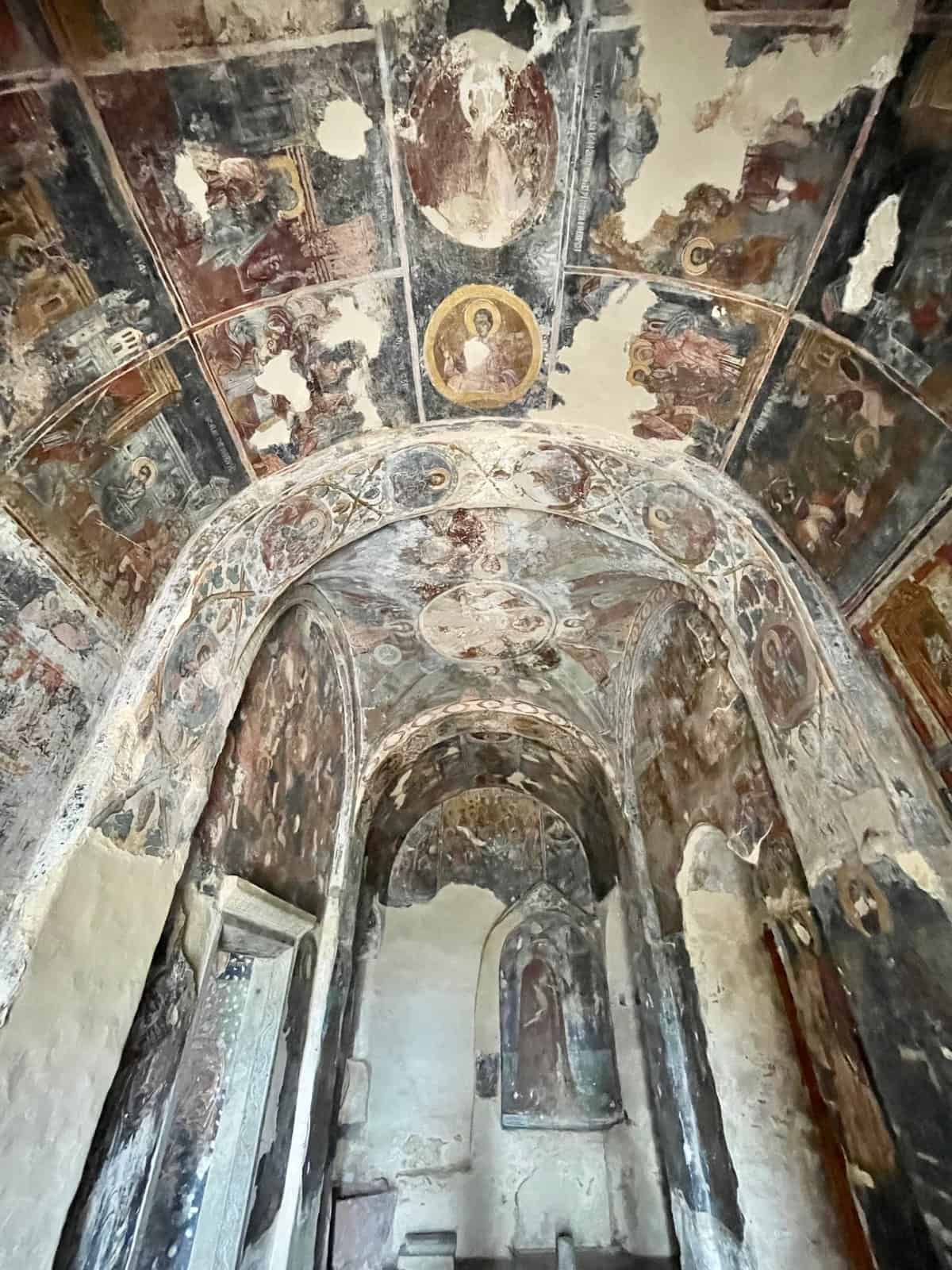
Mycenae, Epidaurus, Mystras, Ancient Olympia and Ancient Messene are the headline sites.
Are the beaches on the Peloponnese good?
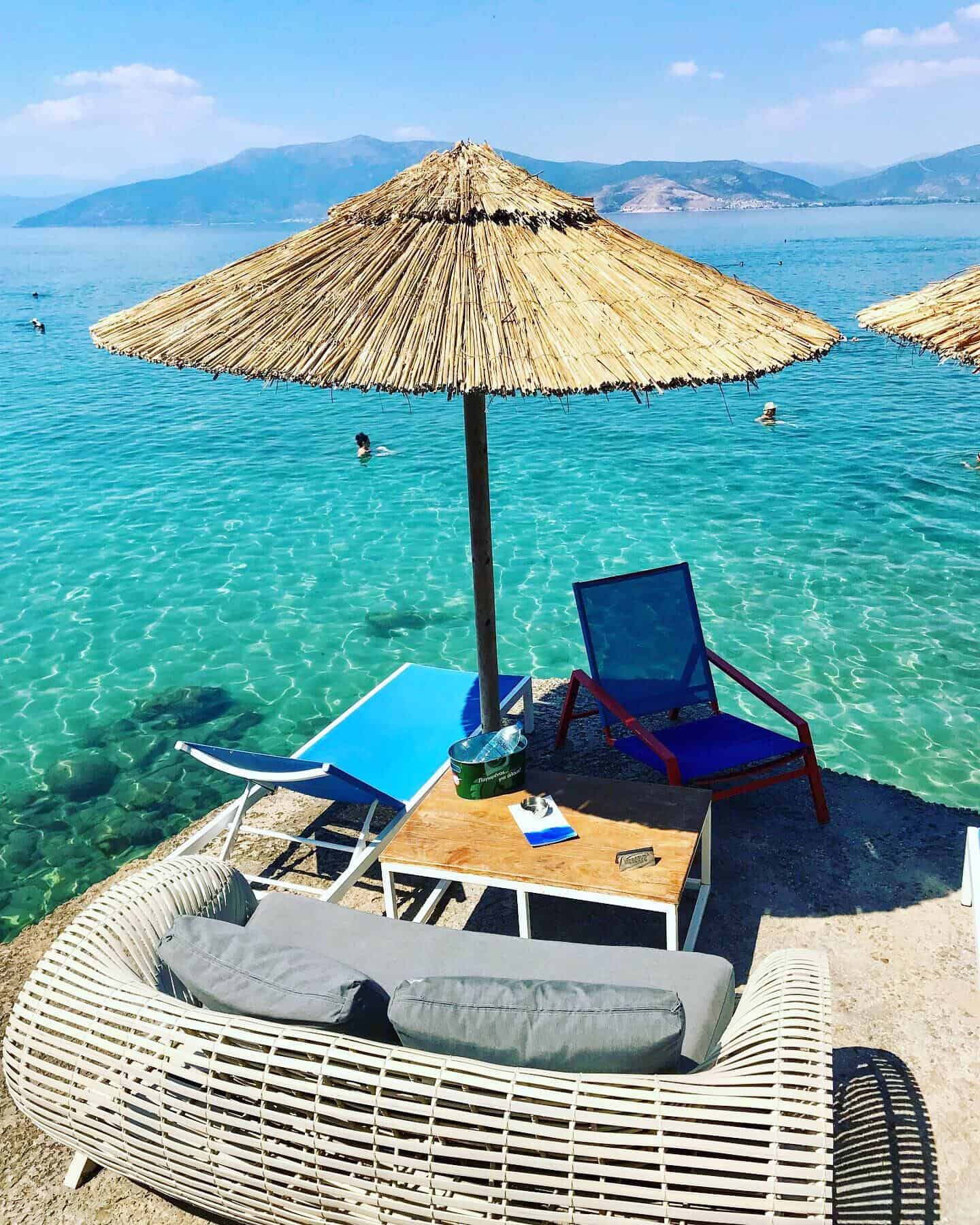
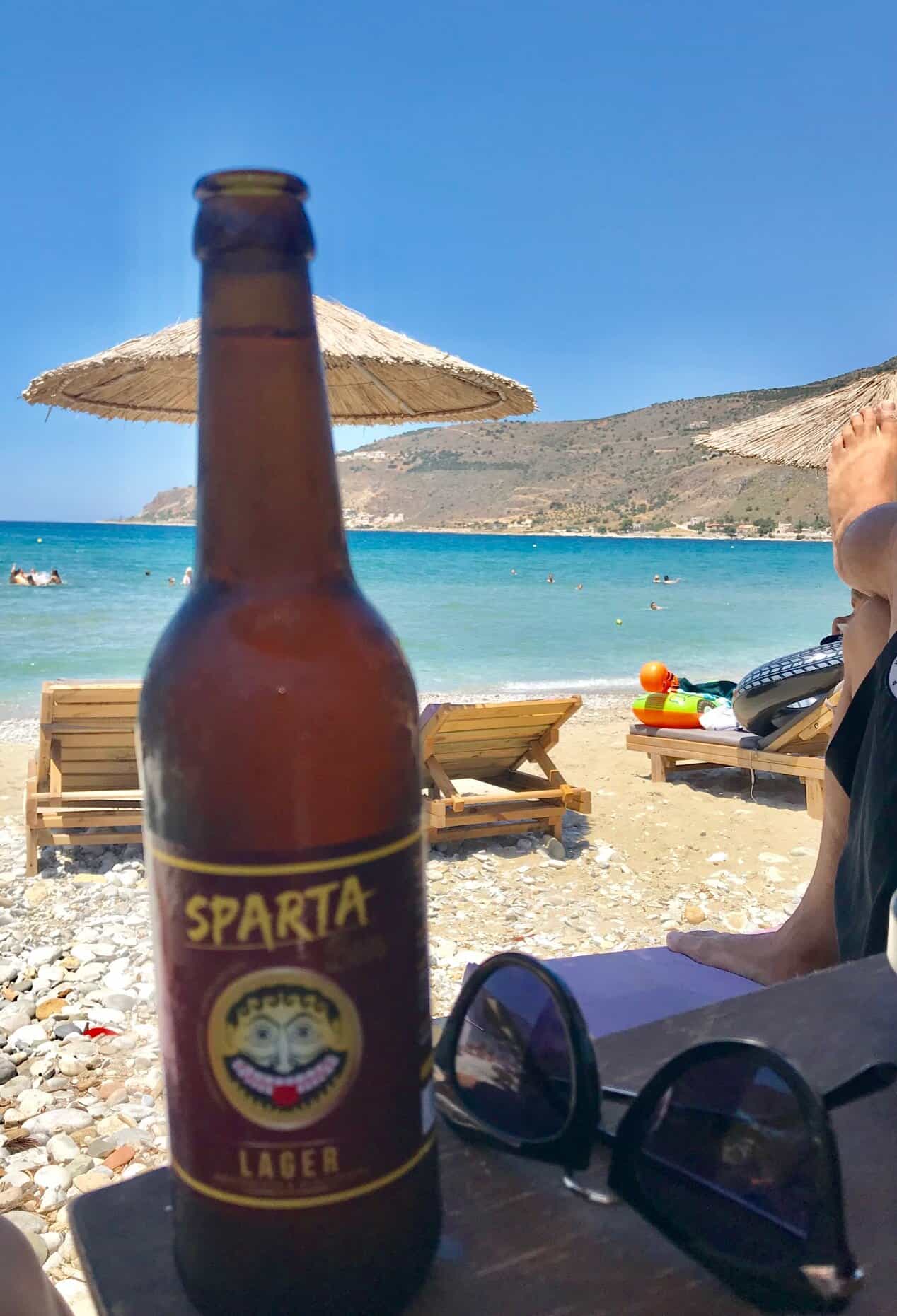
Yes. The region has many long sandy coasts, clear water and far fewer crowds than the islands.
Is it expensive?
Generally no. Accommodation, dining and fuel costs are lower than on most of the islands, especially the Cyclades.


YOU MAY ALSO LIKE

WHICH ARE THE BEST BEACHES IN ATHENS?
When people think of the Greek Islands they think of beautiful beaches and crytal clear, azure...

ATHENS SANTORINI AND CRETE ITINERARY
Athens Santorini Crete are three of the most popular destinations in Greece for good reason. Their...

THE BEST MUSEUMS IN GREECE
With such significant history and so many ancient wonders, sites, and artifacts, it is little...
