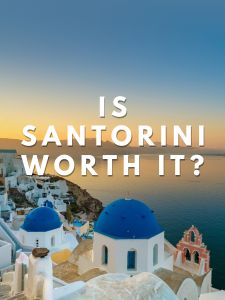
Santorini
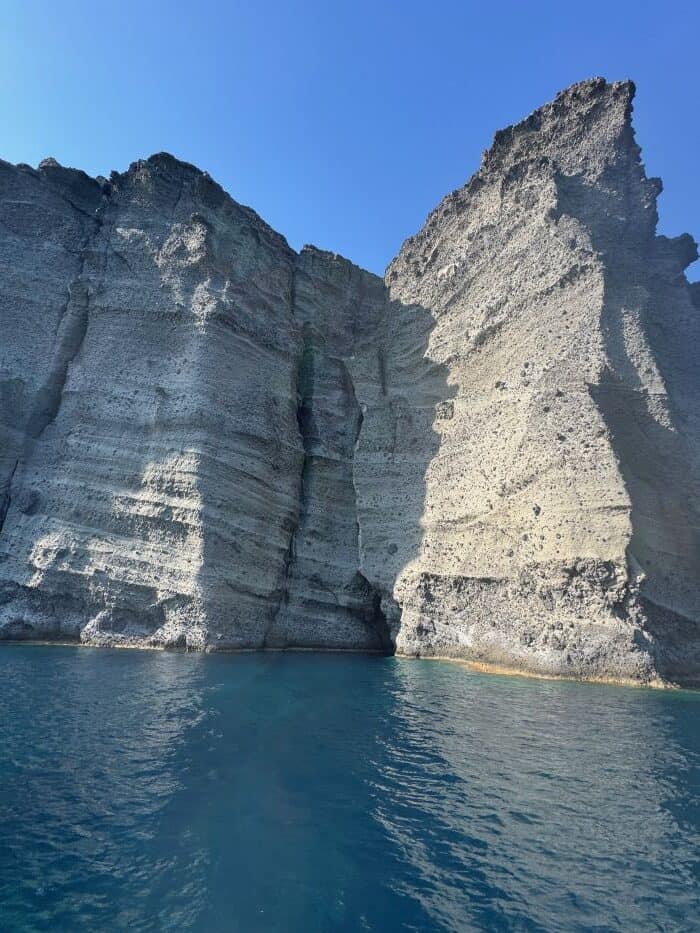
Santorini is the gem of the Aegean Sea, famed for its breathtaking sunsets, whitewashed buildings, and vibrant blue domes. This stunning Greek island, part of the Cyclades archipelago, captivates visitors with its dramatic volcanic landscape, ancient ruins, and sparkling black, red, and white sand beaches.
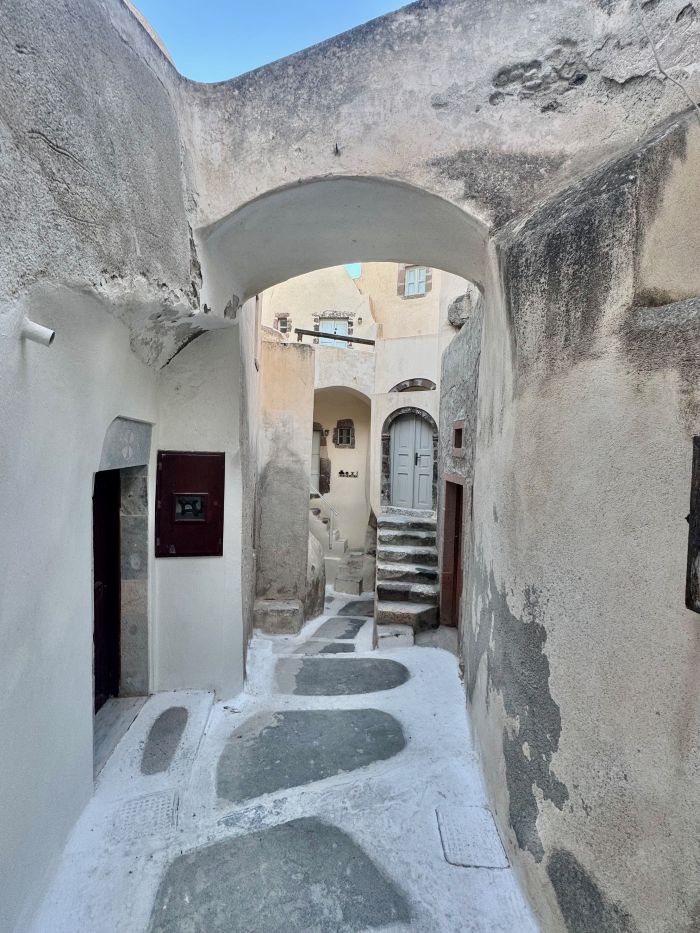
Santorini’s charm lies in its iconic cliff-top villages like Oia and Fira, where narrow, winding paths invite exploration amidst stunning seaside views. Here, traditional cave houses are nestled in the rugged cliffs, and local tavernas serve up delightful Mediterranean cuisine, paired with the island’s unique Assyrtiko wine.
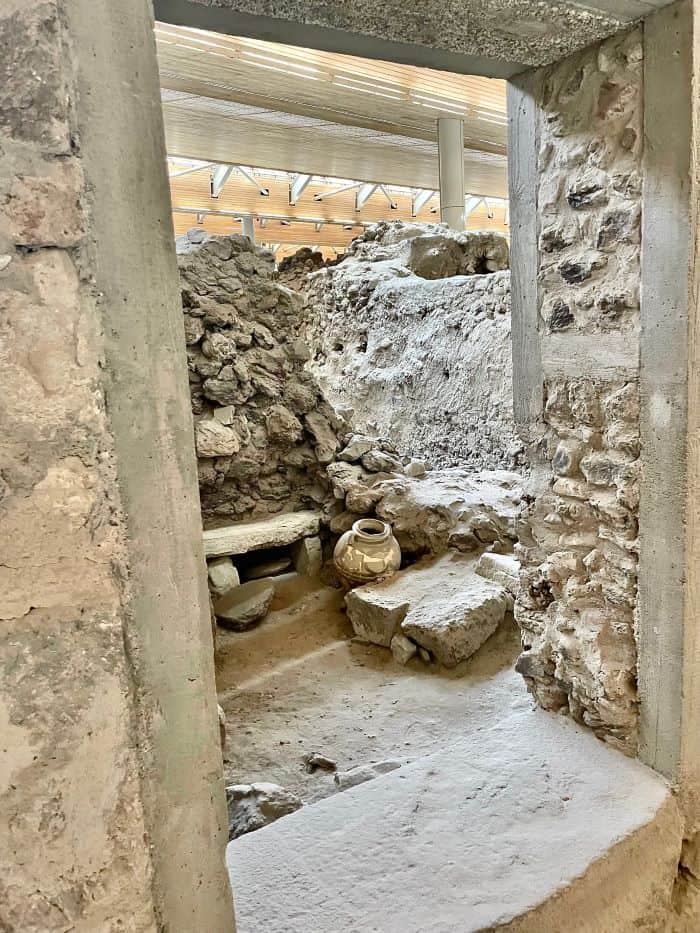
For history enthusiasts there are some major attractions, such as the ancient site of Akrotiri, which offers a fascinating insight into a Minoan city from the bronze age, preserved in volcanic ash, while the Archaeological Museum of Thera displays artifacts that tell tales of the island’s rich past.
Santorini can polarise a lot of people, and the cruise ships are contributing to some overcrowding issues in some areas, but it is still possible to enjoy it. We think Santorini is more than worth it, but it does require some careful planning.
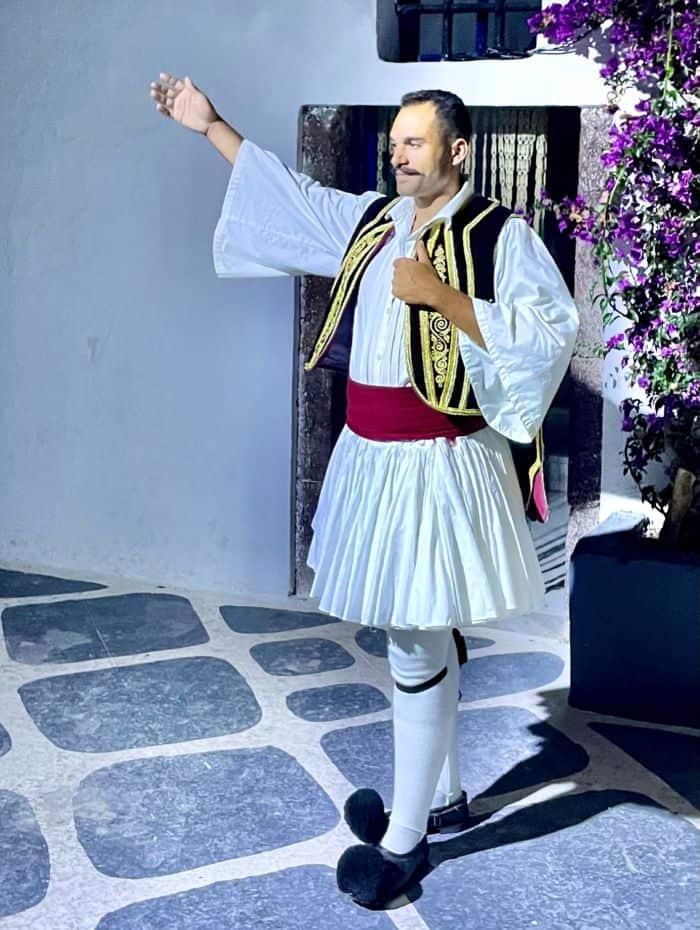
Whether you’re seeking a romantic getaway or an adventure into history, Santorini promises an unforgettable experience with its enchanting beauty and warm Greek hospitality.
April - November
3 nights
Cyclades

What to expect
Visitors can expect a striking landscape unlike anywhere else in Greece.
The famous caldera rim delivers dramatic cliffside views, whitewashed villages and some of the island’s most recognisable architecture.
Crowds can be significant in peak season, especially in Fira and Oia, and popular viewpoints can be busy throughout the day. There are, however, 18 towns and villages so you can easily avoid the crowds with a bit of extra effort.
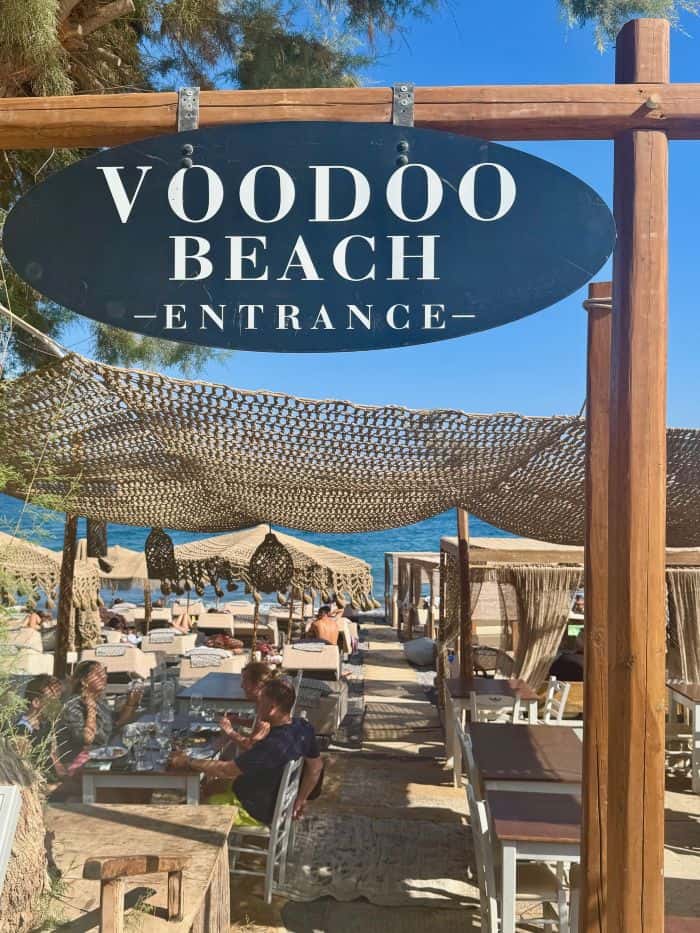
Beaches are volcanic rather than golden sand, with black and red shorelines that differ from typical Greek islands.
Transport can be congested, and parking is limited in major villages.
Accommodation ranges widely, with premium caldera hotels commanding higher prices. Despite the pressure on infrastructure, the scenery, sunsets and dining experiences remain exceptional.
For a small island, there is quite a lot to see and do, including one of Greece’s most significant archaeological sites and its best wineries.
Money: Euro. Almost everyone will take credit cards and ATM’s are scattered all over the island.
Plugs: The plugs in Greece are Type C and F. The standard voltage is 230 V, and the standard frequency is 50Hz. For many people, appliances and devices will work fine, but if you are from the USA, you will need a dual-voltage styling iron or hair dryer.
Terrain: Santorini is a volcanic island, so it is dry and lacks natural water sources. The towns and villages on the caldera (west) often spill down the steep cliffs, and there can be many stairs. It’s also very hillly.
Sensible footwear is required!

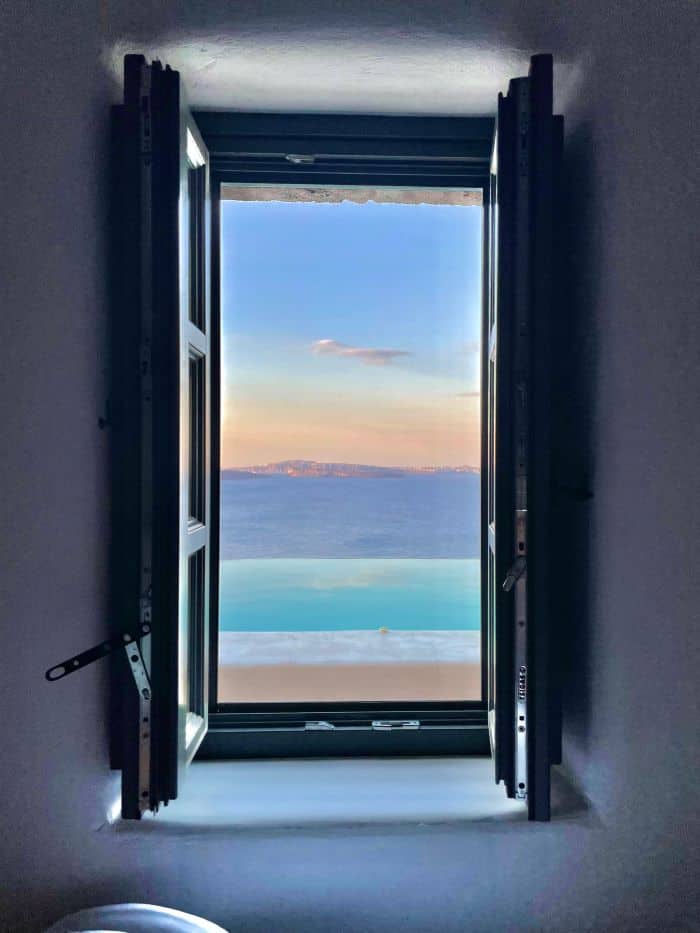
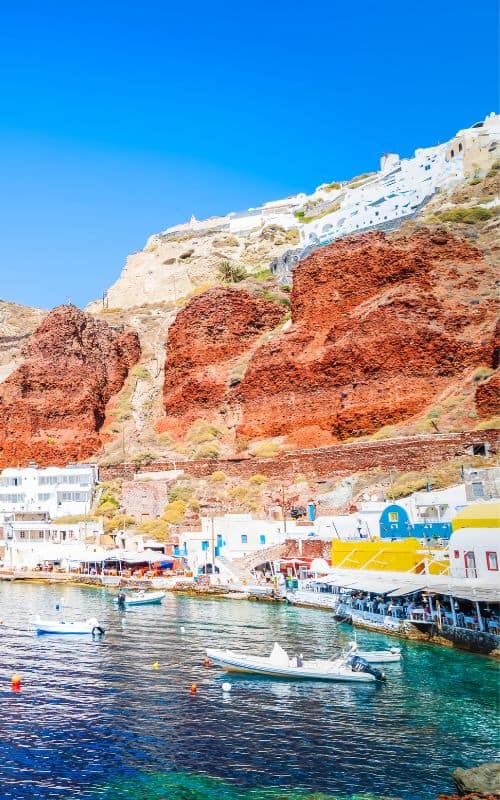
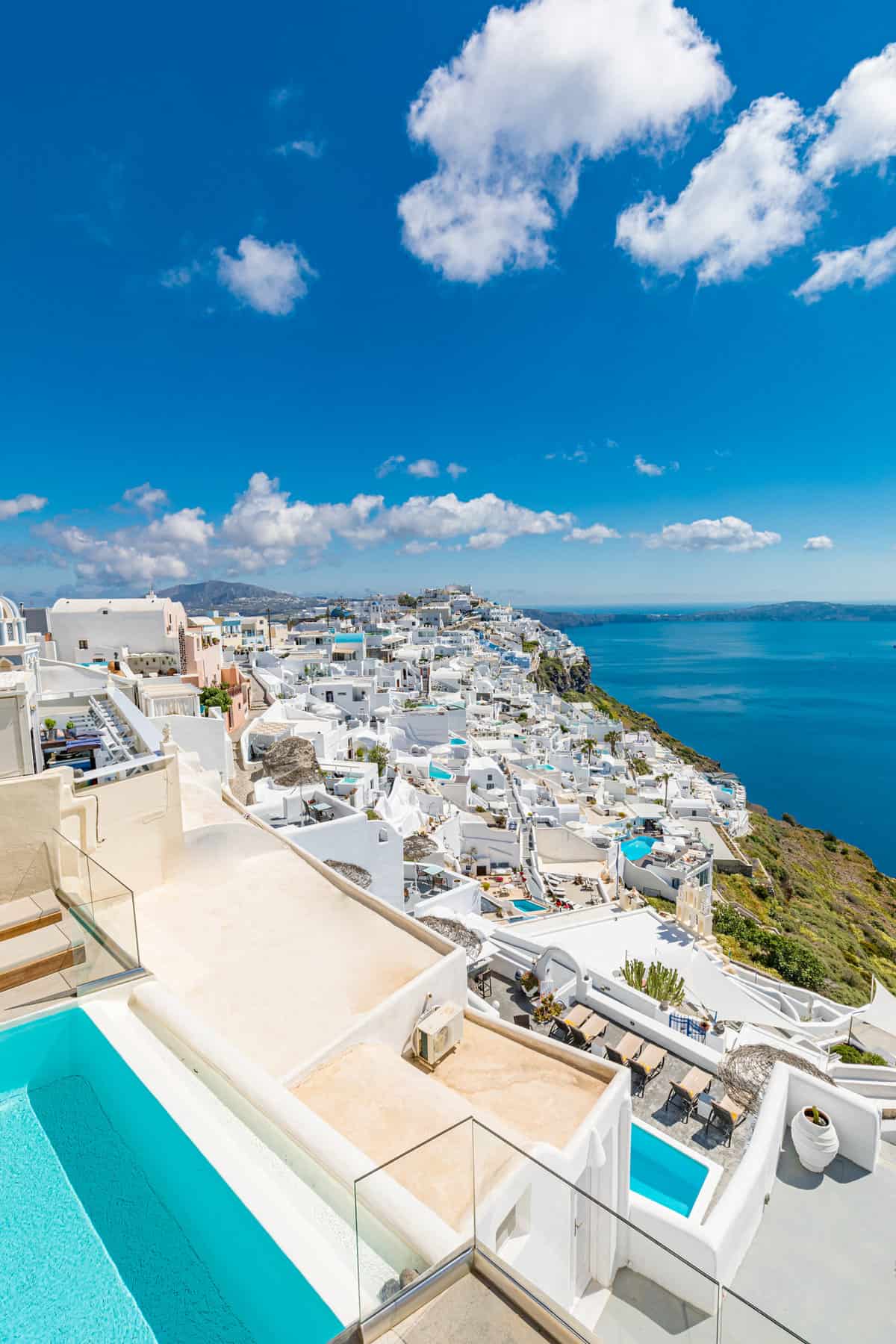





Best time to visit Santorini
April to November
The tourist season starts after Easter and Holy Week on Santorini is quite incredible and one of the most critical times of the year.
It can be hectic between June and October, when many cruise ships are in port. October is a lovely time to visit.

How long to go for
At least 3 nights – this gives you two full days, which is very easy to fill.
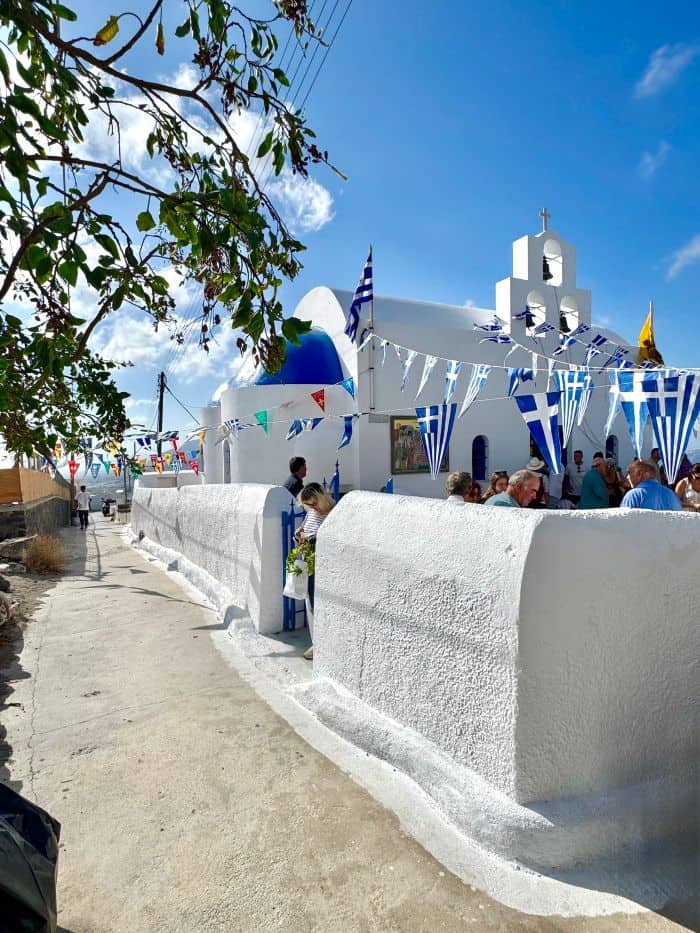
There is a lot more to Santorini than Blue Church Domes and sunsets!

How to get around Santorini
It is a relatively small island, but transport can be tricky.
Buses run between all major towns, including Fira, Oia, Imerovigli and the beaches, and they are the most economical choice, though they can be crowded in peak season.
Taxis are limited, so expect waits or pre-booking.
Rental cars and ATVs offer the most flexibility, but parking in Fira and Oia is limited, and roads can be narrow.
Private transfers are reliable for airport and port connections.
For short distances within towns, walking is the way to go. Expect a lot of stairs though!
Where to stay in Santorini
Choosing where to stay on Santorini can be tricky. Everyone has seen the perfect Instagram photos of romantic, sweeping vistas at sunset, but the media is also full of tales of woe about cruise ships and crowds. And prices can be pretty steep if you want a view, and especially if you want a pool.
We have a comprehensive accommodation guide with places we have loved.
In terms of the main towns and villages:
- Oia – home to the iconic Blue Church Domes and the famous sunsets. The most beautiful but also most expensive town, right at the northern tip of the island. Popular with Honeymooners and Instagrammers.
- Fira – the Capital and where you will find all the services like the Bus Station and Police, as well as department stores, supermarkets, clubs and lots of cafes and restaurants. Popular with families and tour groups.
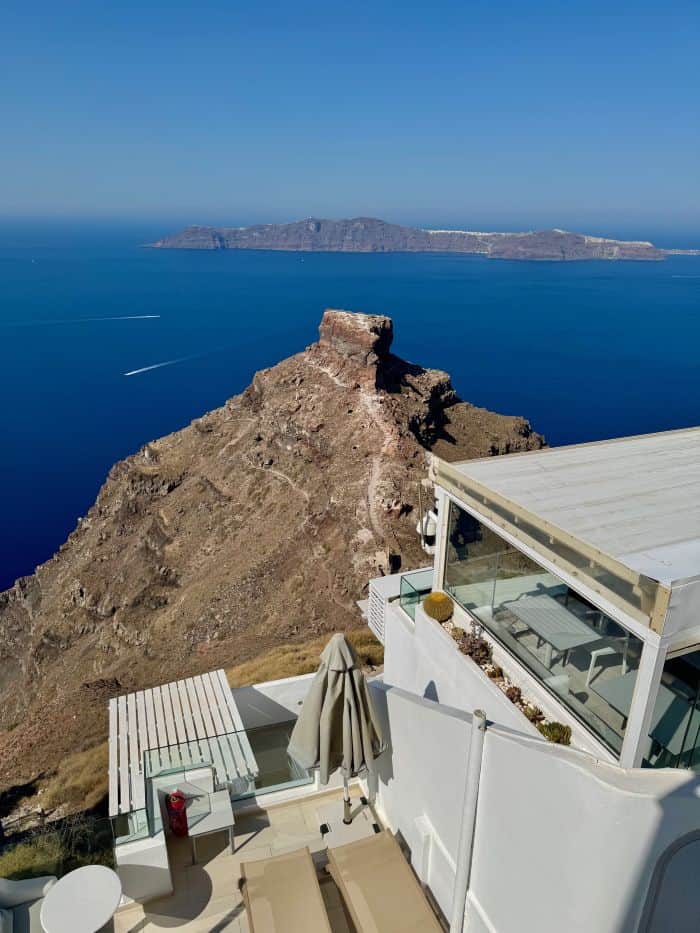
- Imerovigli – located just north of Fira, this is a newer area and mostly full of hotels and restaurants. It is one of the island’s highest points and home to Skaros Rock. Popular with everyone.
- Megalochori and Akrotiri – located at the southern end of the Caldera, these are small, quaint towns that don’t get a lot of tourists. Popular with people looking for peace and authenticity, and also caldera views on a budget.
- Pyrgos – the old capital in the middle of the island, perched on a hill with amazing views. Popular with people wanting higher-end accommodation away from the crowds.
- Kamari & Perissa – located on the eastern side of the island, these suburbs are not on the caldera but on the coast, with beaches and beach clubs. There are lots of shops and restaurants, and they’re much cheaper. Popular with families, groups and people on a tight budget.
Where to stay as a family or group
Aloia Villas are great value with excellent reviews and have 2 bedrooms and 2 bathrooms, plus a hot tub!
Doukas Caldera Suites are also hard to beat ( with 2 sofa beds) or Altemar Suites have 1 and 2 bedroom suites that can sleep up to 4 and have jacuzzis on the terrace with great views.
In Oia we have also had a great stay with our family at Armeni Village, and Myst Boutique Hotel is also worth checking out.
For large groups – ie. 10 rooms or more with pool and breakfast – El Greco Resort (Fira), Santorini Palace (Firostefani) Armeni Village (Oia) are all great.
How long should I stay in Santorini
There is a surprising amount of things to see and do on Santorini, which many people underestimate.
We recommend staying for at least 3 nights, although 4 is even better.
A day trip, including a cruise, is the worst way to see Santorini. You will do it with upwards of 20,000 others, and miss it at night when it is at its best.
What are the top things to do in Santorini?
As stated above, there is actually a lot to see and do.
Including:
- Caldera views and sunsets
- Blue Domes and Church Bells
- Archaeological and historical sites
- 18 towns and villages
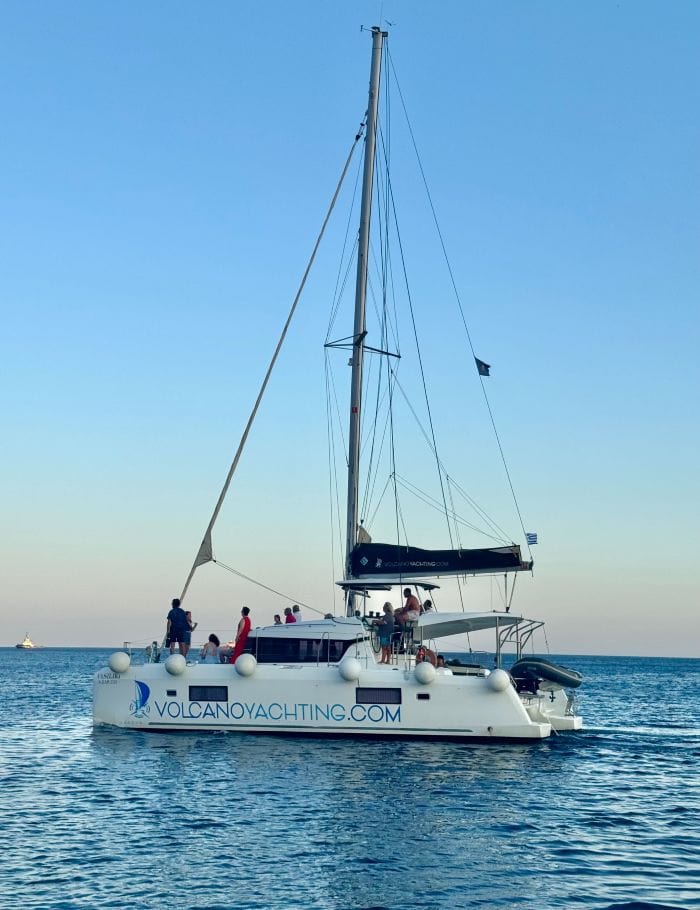
- Sailing trips
- Fishing trips
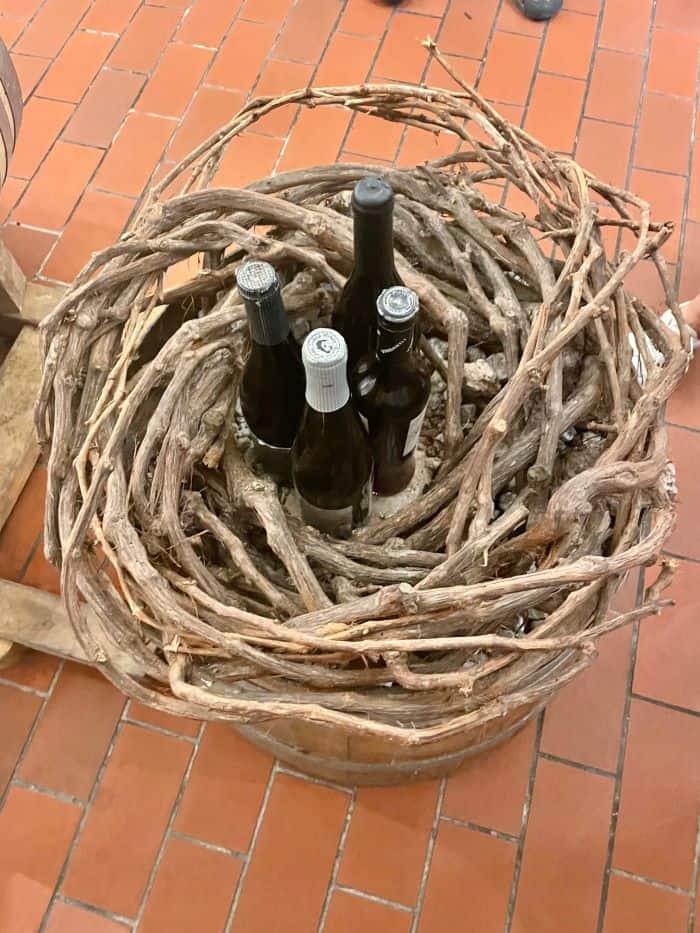
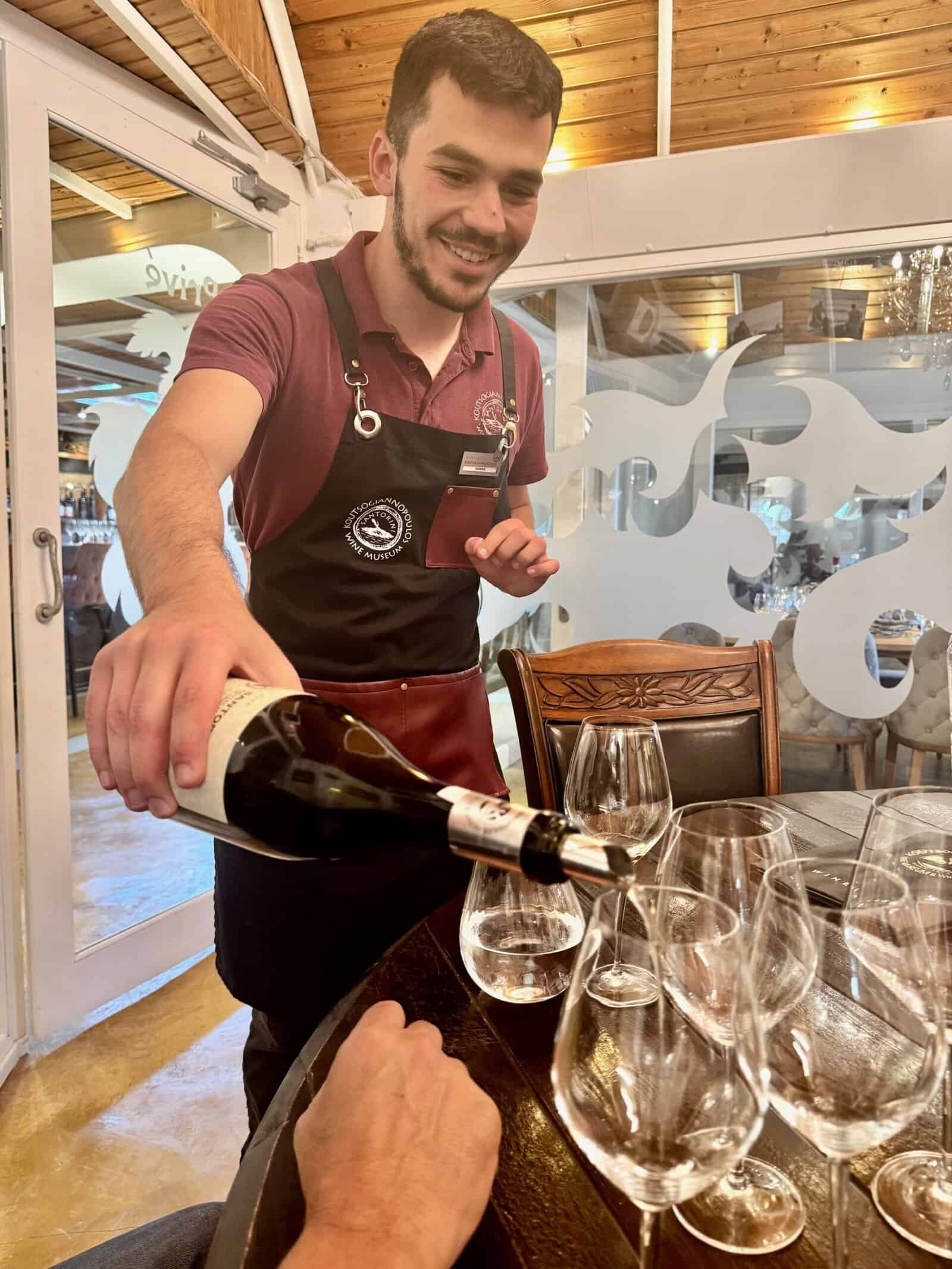
- Wineries
- Food Tours
- Cooking Classes
- Shopping
- Beaches
- Restaurants and Bars
- Hiking